Common Pests in Microgreens and How to Manage Them
Growing microgreens at home can be a rewarding experience, but like all plants, they can attract pests. Understanding these pests and knowing how to manage them is crucial for a successful harvest.
Understanding Common Microgreen Pests
Microgreens are particularly vulnerable to a few common pests. These include aphids, fungus gnats, and mildews. Each pest can cause significant damage if left unchecked, leading to a decrease in yield and quality.

Aphids
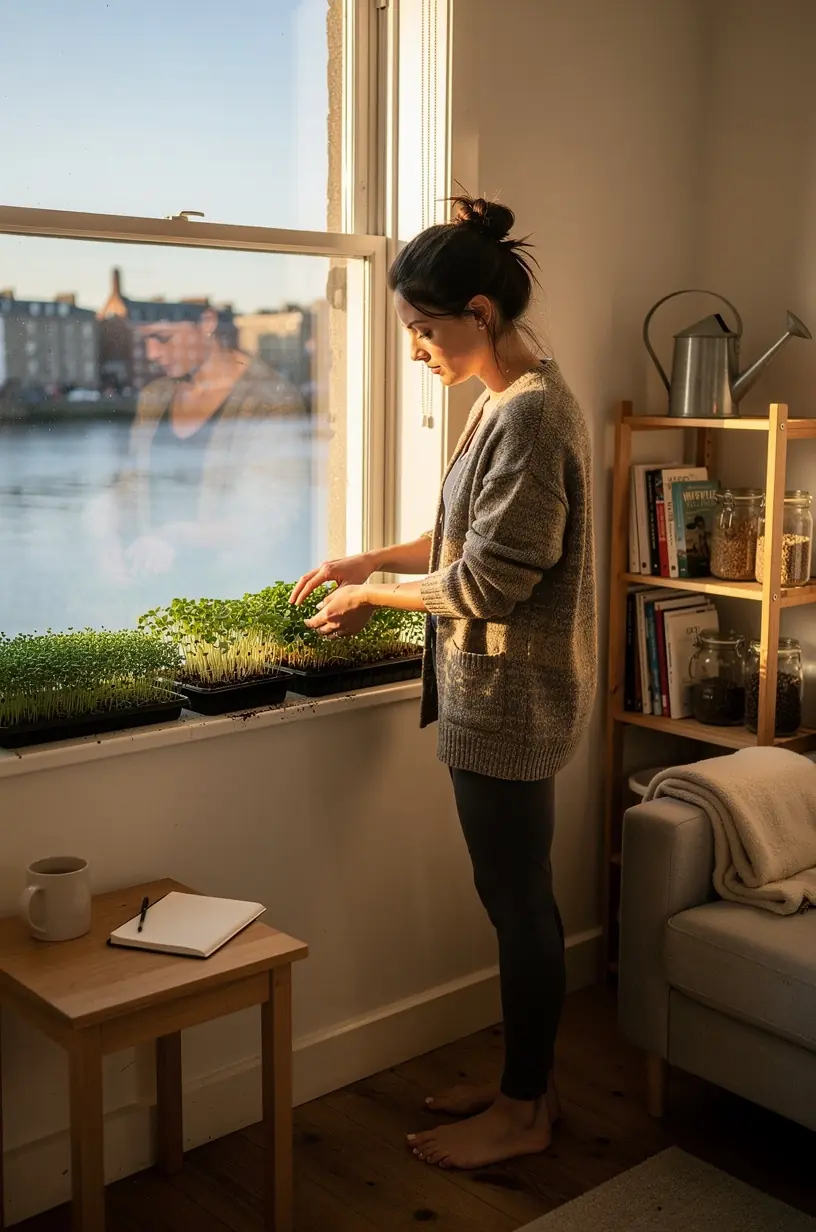
Aphids are small, soft-bodied insects that suck the sap from microgreens. According to experts, they typically infest plants in warm environments. If you're growing microgreens on a windowsill, they may find your plants particularly attractive.
Fungus Gnats
Fungus gnats are small, dark flies that are often found hovering around the soil of your microgreens. Research indicates that their larvae can damage root systems, which can stunt the growth of your microgreens.
Mildews
Mildews are fungal diseases that can thrive in damp conditions. Studies show that overcrowding microgreens can increase the likelihood of mildew affecting your crops.
"Preventive measures are essential in managing microgreen pests effectively."
Effective Pest Management Strategies
Managing pests in microgreens typically involves a combination of preventive practices and treatments. Here are some effective strategies:
- Regular Monitoring: Check your plants daily for signs of pest activity. Early detection can significantly improve your chances of successful management.
- Maintain Proper Watering: Overwatering can create conditions conducive to pests. Ensure you water your microgreens adequately, allowing the soil to dry between watering sessions.
- Use Natural Predators: Introducing beneficial insects, like ladybugs, can help control aphid populations. This approach is often recommended as a reliable method by gardening experts.
Using Organic Solutions
Many users report success with organic pest control solutions. Options include:
- Neem Oil: This natural pesticide is effective against a variety of pests. It works by disrupting their hormonal systems, making it difficult for them to grow and reproduce.
- Insecticidal Soap: This is a safe option for treating soft-bodied pests like aphids. It works by suffocating the insects and is typically safe for the plant.
- Garlic or Chili Spray: Homemade sprays made from garlic or chili can deter many pests due to their strong scents. Research indicates these sprays can be effective when used regularly.
Conclusion
While pests can pose challenges in growing microgreens, understanding how to manage them can lead to a successful indoor gardening experience. Regular monitoring, maintaining proper care, and employing organic solutions can help mitigate pest issues. Remember, consistent care and preventive measures are key to thriving microgreens on your windowsill.