Exploring Different Varieties of Microgreens to Grow
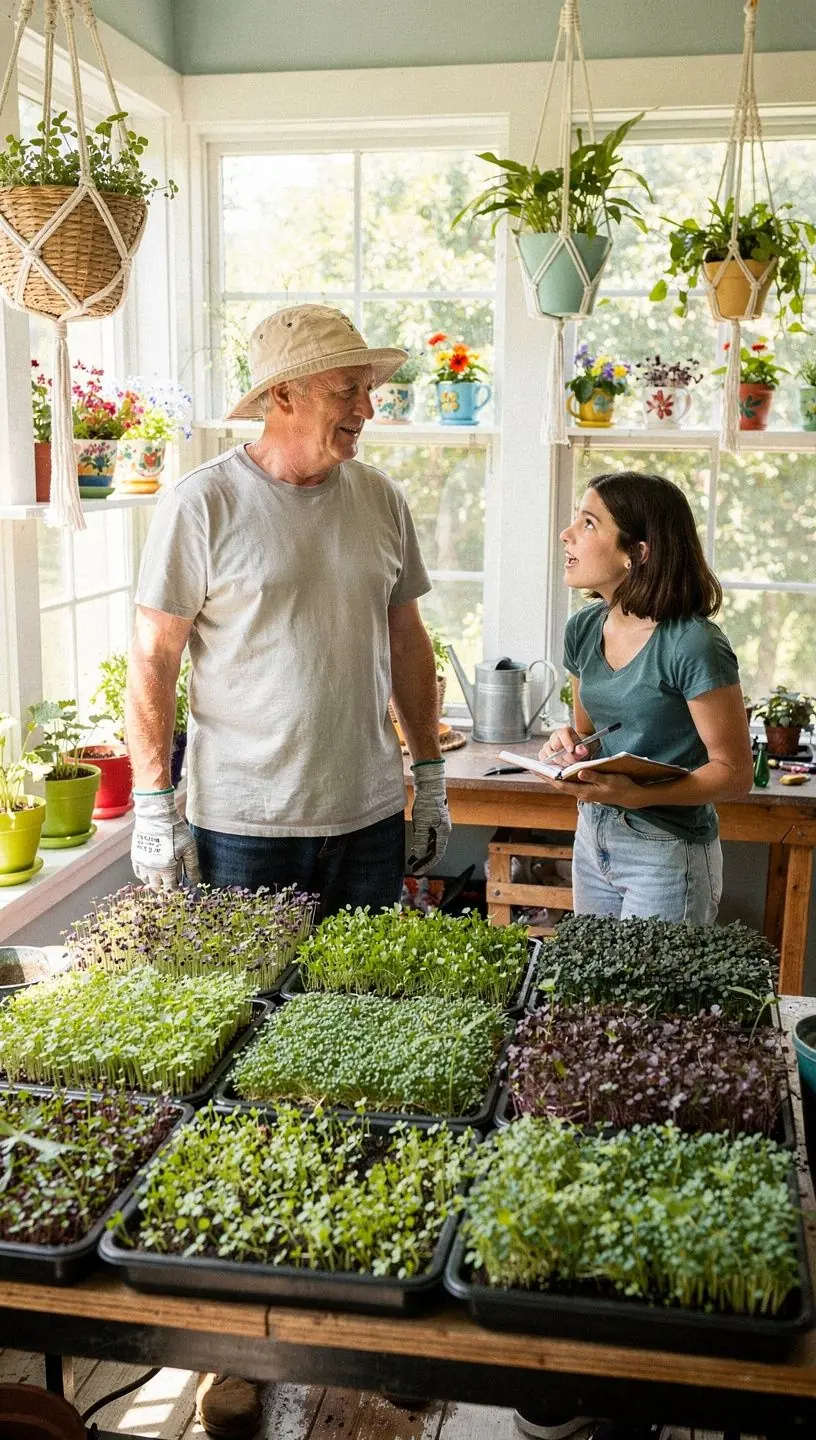
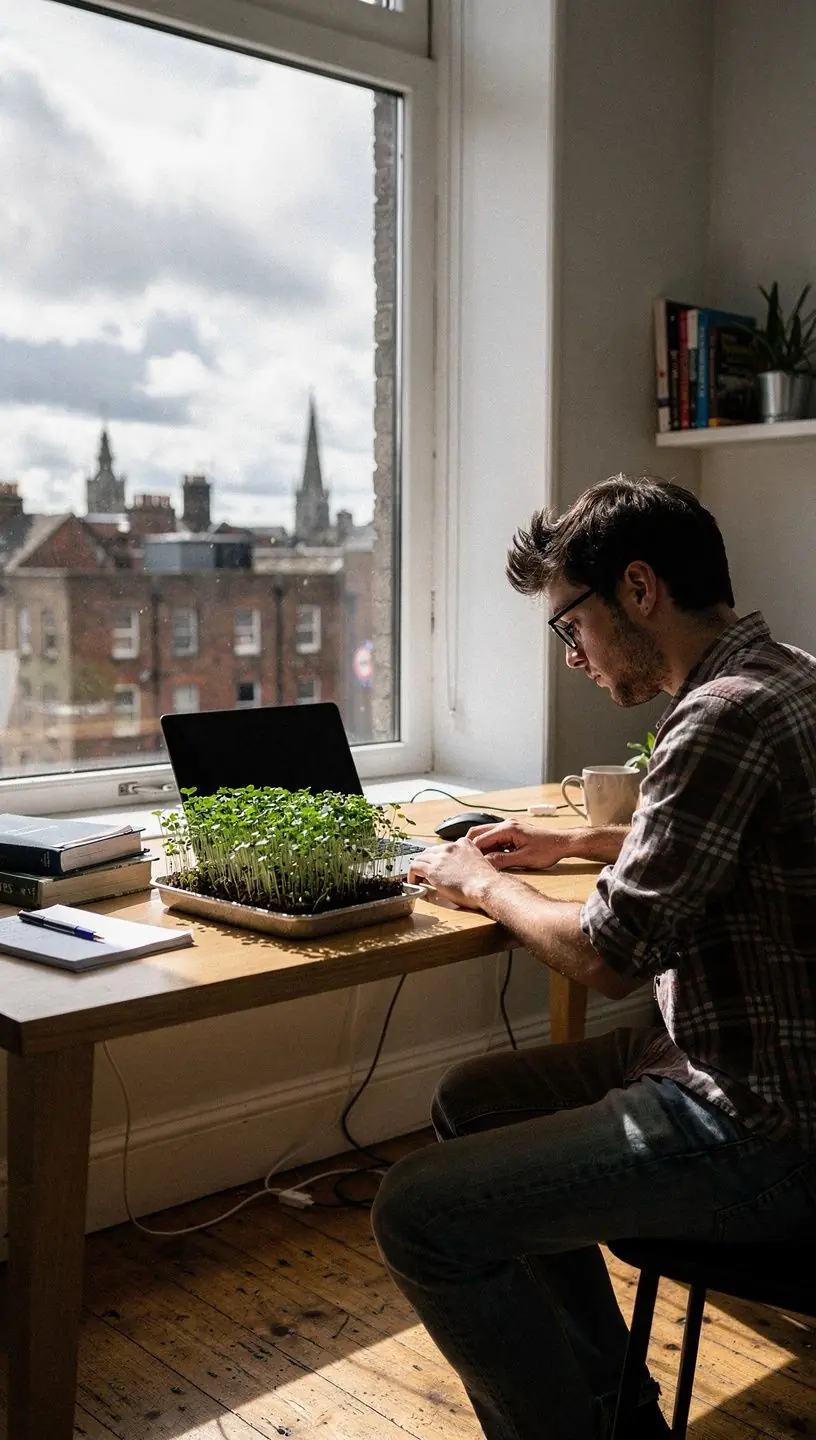
Microgreens have gained popularity in recent years due to their rich flavors and nutritional benefits. Growing these tiny greens on a windowsill is not only feasible but also rewarding. In this article, we will explore various microgreen varieties that can thrive indoors, discussing their specific needs and potential benefits.
Understanding Microgreens
Microgreens are young, edible plants harvested just after the first true leaves have developed. They typically take 7 to 21 days to grow, depending on the variety. According to research, microgreens are often packed with vital nutrients, with some studies showing they can contain up to 40 times more nutrients than their mature counterparts.
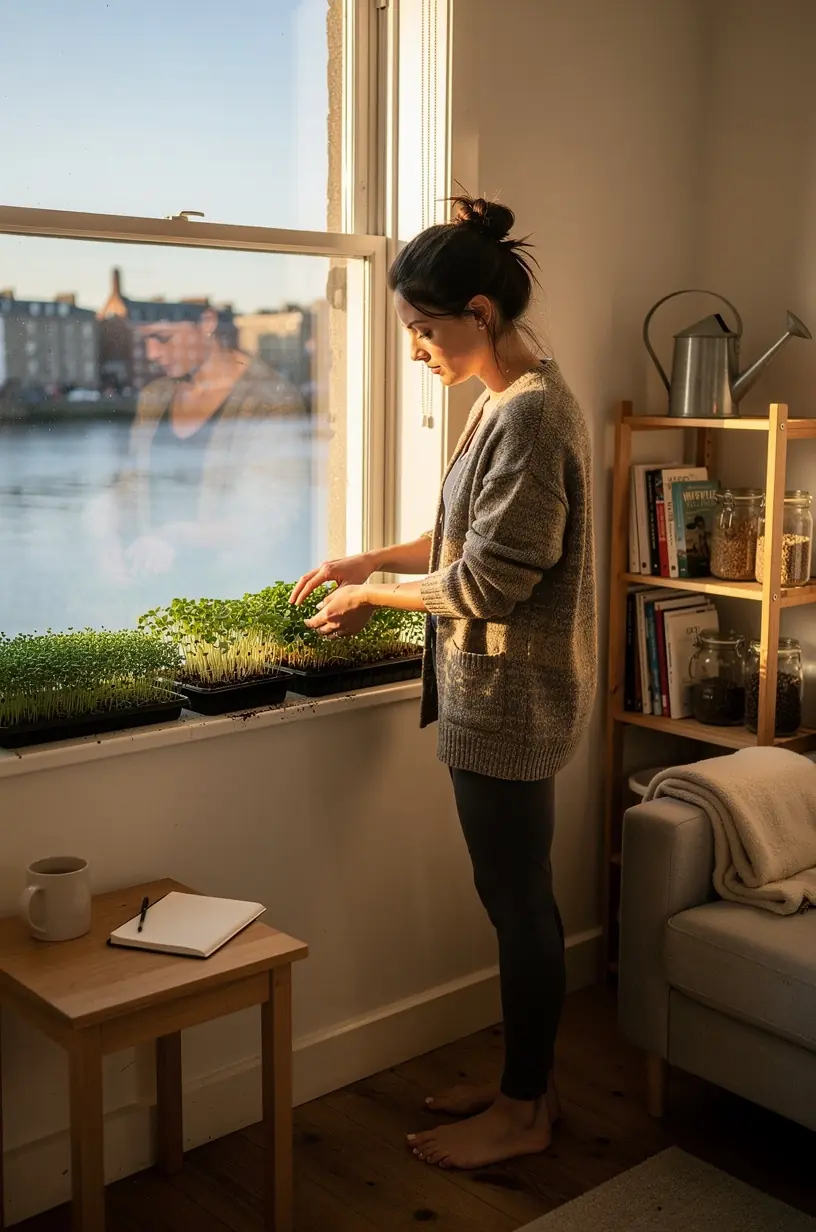
"Research indicates that microgreens are not just flavorful; they may also offer a significant nutritional boost." - Nutritional Science Journal
Popular Varieties of Microgreens
When choosing microgreens to grow, consider your taste preferences, cooking styles, and the growing conditions available. Here are some popular varieties:
- Radish Microgreens: Known for their peppery flavor, radish microgreens typically grow within 7-10 days. They thrive in simple soil and require moderate light.
- Basil Microgreens: Sweet and aromatic, basil microgreens can take about 14-21 days to mature. They prefer warm temperatures and ample sunlight.
- Broccoli Microgreens: These greens are mild and nutritious, often ready for harvest in 7-14 days. They adapt well to various indoor conditions, making them a reliable choice.
- Kale Microgreens: Rich in vitamins and minerals, kale microgreens typically take 10-14 days to grow. They are fairly hardy and can tolerate lower light conditions.
- Sunflower Microgreens: With a nutty flavor, sunflower microgreens require around 7-10 days to reach harvest. They prefer bright light and consistent moisture.
Tips for Successful Growth
While growing microgreens is generally straightforward, there are several factors to keep in mind:
- Light: Most microgreens thrive in bright, indirect light. If natural light is limited, consider using grow lights, which have been shown to improve growth rates in indoor settings.
- Watering: Overwatering is a common mistake. It's essential to keep the soil moist but not soggy; using a spray bottle can help manage moisture levels effectively.
- Soil Quality: Using a well-draining soil mix can significantly improve microgreen growth. Many industry experts suggest using a mix specifically designed for seed starting.
Conclusion
Growing microgreens on your windowsill can be a fun and educational experience, and with the right approach, it may yield delightful results. Each variety comes with its own set of requirements and growth periods, so it's essential to choose those that align with your environment and taste preferences. As you embark on this green journey, remember that consistent care and patience can lead to a bountiful harvest. Happy gardening!
Learn More