Understanding the Nutritional Benefits of Microgreens
Microgreens are not just trendy garnishes; they offer significant nutritional benefits that can enhance your overall diet. This article explores the various health advantages of microgreens and how they can be easily grown on a windowsill.
What Are Microgreens?
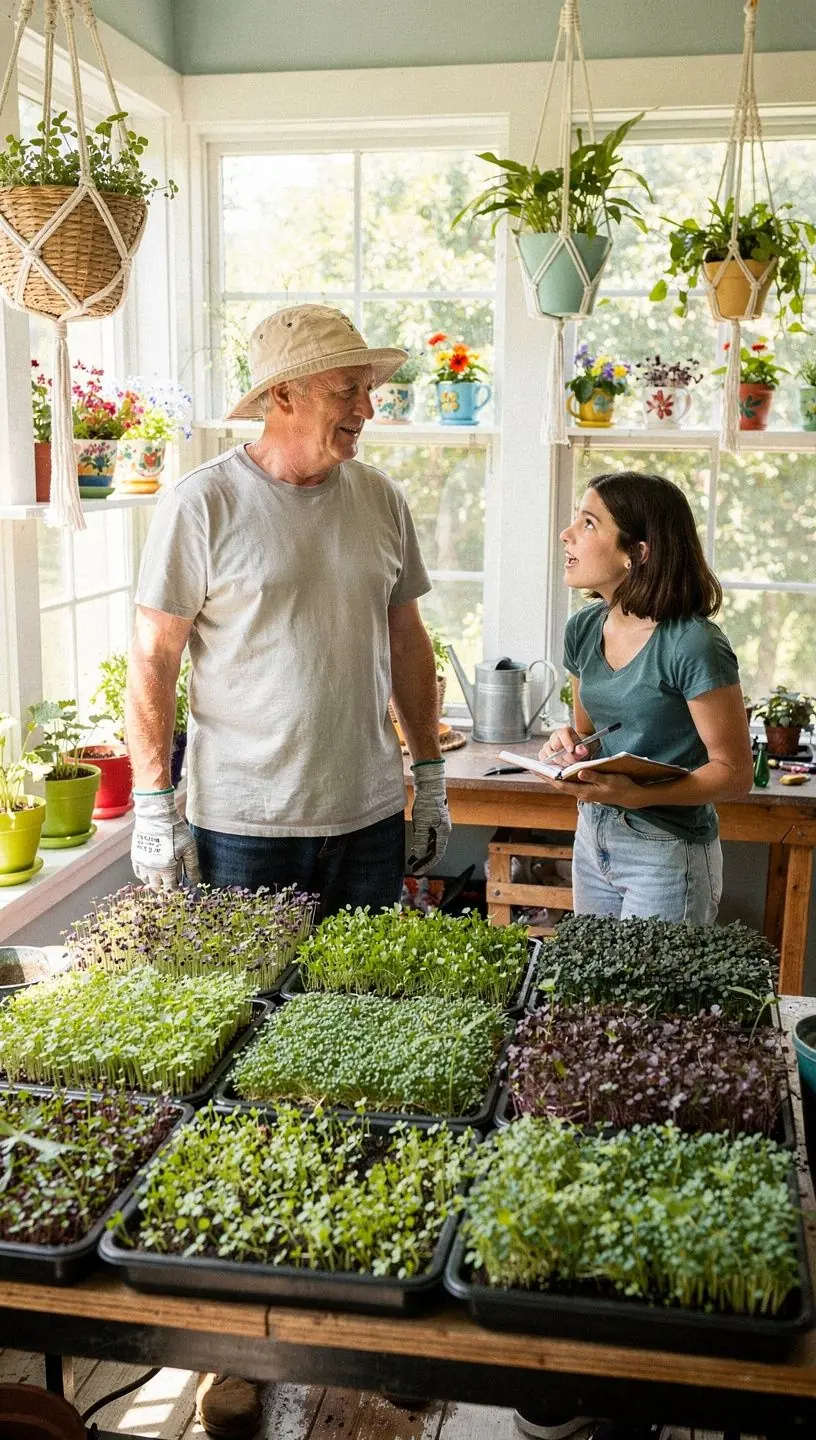
Microgreens are young, edible plants harvested just after the first true leaves have developed. They come from a variety of plant species, including vegetables, herbs, and even some grains. According to research conducted by the University of Maryland, microgreens can contain up to 40 times more nutrients than their mature counterparts. This is due to their concentrated growth phase, which packs essential vitamins and minerals into a small, flavorful package.
"Microgreens are a nutrient-dense food option that can provide health benefits when included in a balanced diet." - Nutrition Journal
Nutritional Benefits
Microgreens are often rich in vitamins C, E, and K, as well as minerals like iron, calcium, and magnesium. Research published in the journal Frontiers in Plant Science suggests that consuming a variety of microgreens can help improve overall nutrient intake. For instance:
- Vitamins: Many users report that microgreens can contribute significantly to daily vitamin requirements, especially when consumed regularly.
- Antioxidants: Microgreens are high in antioxidants, which can help combat oxidative stress in the body. Studies indicate that these compounds may reduce the risk of chronic diseases.
- Flavor and Variety: Adding microgreens to meals can enhance flavors, making healthy eating more enjoyable.
Growing Microgreens on a Windowsill
Growing microgreens is a feasible and rewarding endeavor that typically takes around 7 to 14 days from seed to harvest. Here’s a simple process to get started:
- Choose Your Seeds: Select a variety of microgreens like radish, broccoli, or pea shoots. Each type may offer different flavors and nutritional profiles.
- Prepare Your Containers: Use shallow trays or containers with drainage holes. Fill them with a quality growing medium, such as potting soil or coconut coir.
- Sow the Seeds: Sprinkle seeds evenly over the surface, then lightly cover with soil. Water gently to avoid displacement.
- Provide Proper Light: Place your trays in a location with ample sunlight, ideally 4-6 hours of indirect light per day. If natural light is limited, consider using grow lights.
- Harvesting: When microgreens are about 2-4 inches tall, use scissors to cut them just above the soil line. Rinse before consumption.
Challenges and Considerations
While growing microgreens is generally straightforward, there are some factors to consider:
- Space Requirements: Microgreens need adequate light and space to grow, which can be a limitation in smaller living areas.
- Watering Needs: Regular watering is essential; however, overwatering can lead to mold growth. It’s important to monitor moisture levels closely.
- Variety Selection: Not all seeds are suitable for microgreen production. It's important to choose varieties specifically labeled for this purpose.
Conclusion
Incorporating microgreens into your diet can significantly boost your nutrient intake while offering a delightful culinary experience. With only a little effort and a few days of patience, you can enjoy the multiple health benefits these tiny greens provide. Remember to start with suitable varieties, provide adequate light, and have fun experimenting with different flavors and textures in your meals.