Growing Microgreens: Soil vs. Hydroponics Explained
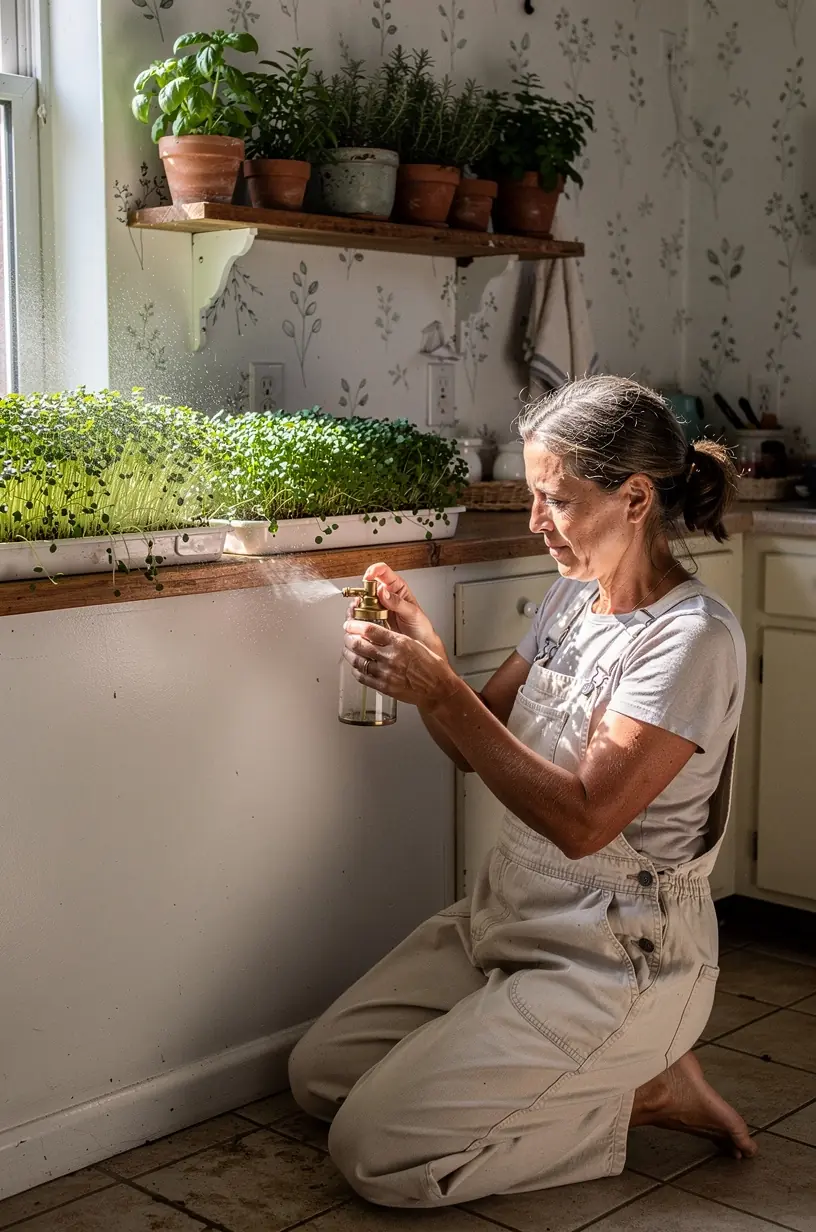
Microgreens are a popular choice for home gardeners, particularly for those with limited space. Understanding the two primary methods for growing them—soil and hydroponics—can help you decide which approach may work best for your needs. In this article, we will explore both methods, their benefits and drawbacks, and how to effectively cultivate microgreens on your windowsill.
Understanding the Basics of Microgreens
Microgreens are young, edible plants harvested just after the first true leaves develop. They are packed with flavor and nutrients, making them a popular addition to various dishes. According to research, many users report that incorporating microgreens into their diet can significantly enhance nutritional intake, particularly vitamins and minerals.
Soil-Based Microgreens: Pros and Cons
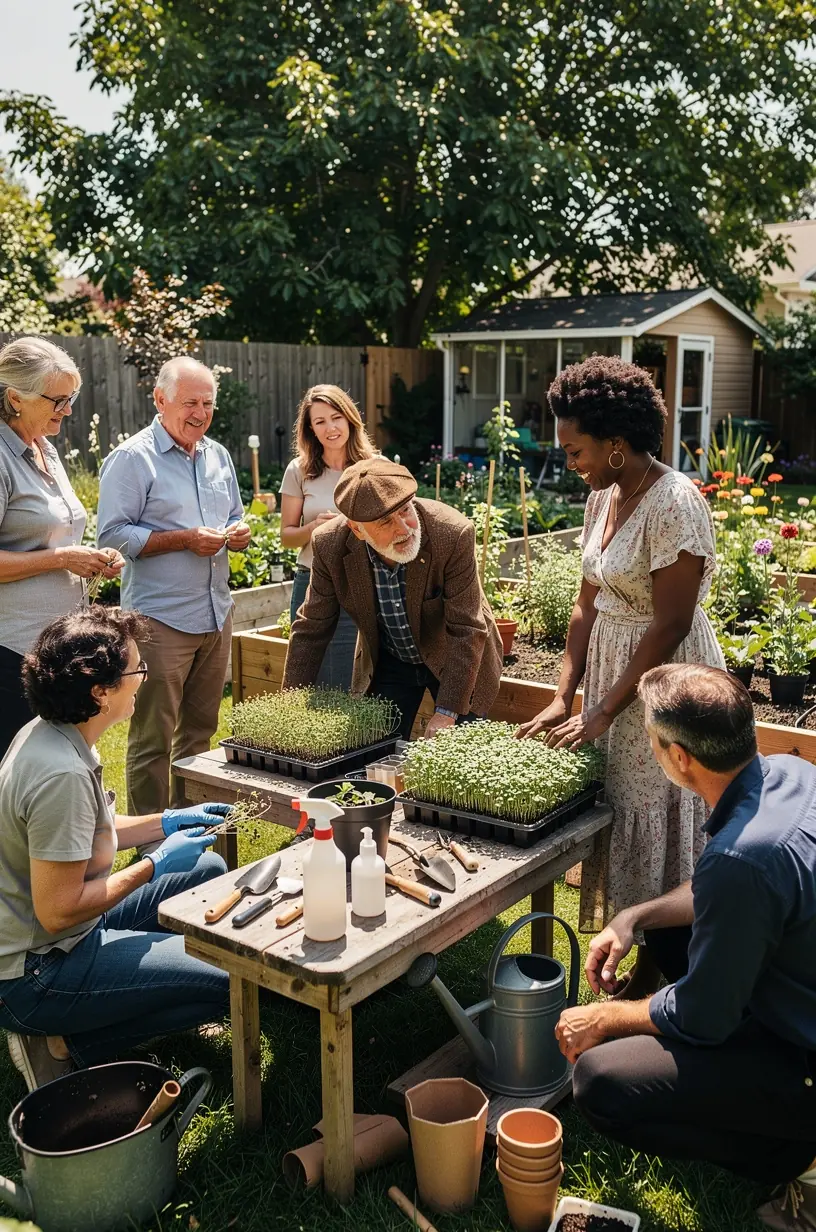
Growing microgreens in soil involves planting seeds in a nutrient-rich medium. Here are some key points to consider:
- Benefits: Soil provides essential nutrients that can enhance growth and flavor. Many experts recommend using organic soil to maximize health benefits.
- Challenges: Soil can introduce pests and diseases, which may require more attention and care. Proper sanitation is crucial, as it can affect the overall health of your plants.
- Timeframe: Soil-grown microgreens typically take 7-14 days to mature, depending on the variety.
"Using high-quality soil can improve the flavor and nutritional value of your microgreens, according to industry experts."
Hydroponic Microgreens: Pros and Cons
Hydroponics involves growing plants in a nutrient-rich water solution without soil. This method has gained popularity for several reasons:
- Benefits: Hydroponic systems are often cleaner and can reduce the risk of pests and diseases. Additionally, many users find that hydroponically grown microgreens grow faster, often reaching maturity in 5-10 days.
- Challenges: This method typically requires an initial investment in equipment and a understanding of the water-nutrient balance, which may involve a learning curve.
- Timeframe: Results often appear within a week, making it an effective choice for those seeking a quicker harvest.
Choosing the Right Method for You
Both soil and hydroponics can be effective methods for growing microgreens, and the best choice depends on your specific circumstances, such as space, budget, and personal preference. Consider the following:
- If you prefer a more traditional approach and have access to good quality soil, growing microgreens in soil may suit you best.
- If you are interested in a cleaner, potentially faster method and are willing to invest time in learning about hydroponics, this may be the right choice for you.
- In most cases, experimentation can lead to the best results, so consider trying both methods to see which you prefer.
Conclusion
Growing microgreens on your windowsill can be a rewarding and educational experience. Whether you choose to cultivate them in soil or hydroponically, both methods offer unique advantages and challenges. By understanding each approach, you can make informed decisions that may enhance your gardening success. Remember, the key to thriving microgreens lies in proper care and attention, regardless of the method you choose. Happy gardening!