Essential Light Requirements for Indoor Microgreens
Growing microgreens on your windowsill can be a rewarding endeavor, but understanding their light requirements is crucial for success. This article explores how light affects the growth of microgreens and offers practical insights to help you cultivate a thriving indoor garden.
Understanding Light Needs
Microgreens are young seedlings of edible vegetables and herbs, and their growth is heavily influenced by light. Research indicates that photosynthesis, the process by which plants convert light into energy, occurs most effectively under specific light conditions. Typically, microgreens require around 12-16 hours of light each day for optimal growth.

"Studies show that microgreens exposed to adequate light can grow up to 40% faster than those with insufficient light."
Types of Light Sources
When growing microgreens indoors, you have a few options for light sources:
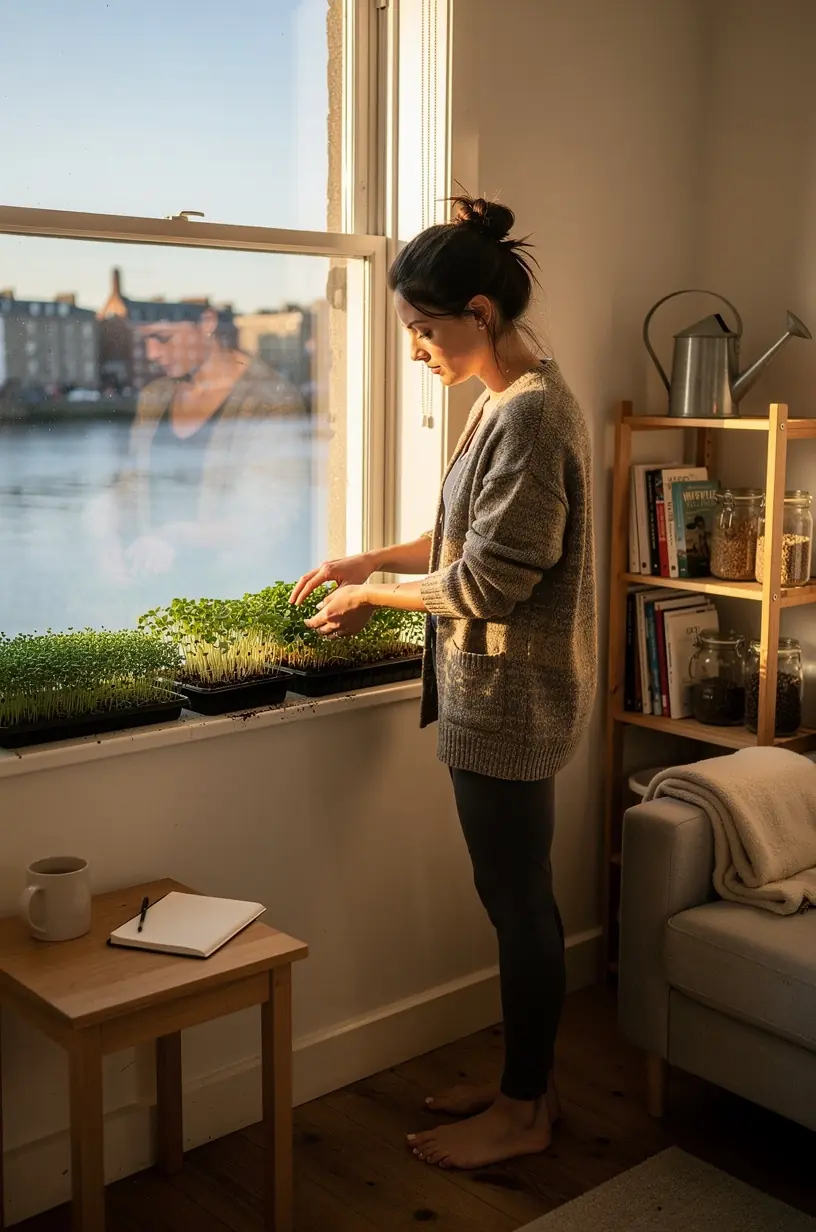
- Natural Light: Many users find success using windowsills that receive direct sunlight. However, be aware that the intensity of sunlight varies by season and geography, which can affect growth rates.
- Fluorescent Lights: These lights are often recommended by experts for indoor gardening. They are energy-efficient and provide a broad spectrum of light. Placing these lights around 6-12 inches above your microgreens can promote healthy growth.
- LED Grow Lights: Recent advancements in LED technology provide a reliable option. Research suggests that LED lights can enhance growth rates by providing specific light wavelengths that microgreens respond well to.
Light Duration and Intensity
The duration of light exposure plays a significant role in the health of your microgreens. According to industry standards, 12-16 hours of light is typical, with many growers opting for a timer to ensure consistency. It's important to monitor the intensity of the light as well; if your microgreens appear leggy or stretched, this often indicates insufficient light.
Conversely, too much direct sunlight can lead to overheating and damage. Most microgreens thrive in temperatures between 18-24°C (65-75°F), making it essential to find a balance between heat and light.
Practical Tips for Providing Adequate Light
To ensure your microgreens receive the light they need, consider the following practices:
- Position your microgreens where they can receive adequate sunlight for several hours each day, ideally facing south or west.
- If using artificial lights, choose a timer to maintain the recommended light duration, allowing for a consistent growth environment.
- Experiment with different light sources and distances to find what works best for your specific conditions.
Conclusion
Understanding the light requirements for indoor microgreens is essential for their growth and vitality. By providing adequate light, whether through natural sunlight or artificial sources, you can effectively cultivate a variety of microgreens on your windowsill. Remember to monitor their progress and make adjustments as needed, as each growing environment is unique. Happy gardening!
Learn More